湖北宏明塑料環(huán)保設備有限公司
誠信 / 務實 / 完善 / 快速 / 放心 - 國際品牌
咨詢熱線: 13207172596
歡迎來到湖北宏明塑料環(huán)保設備有限公司是一家生產(chǎn)陽光板
,耐力板廠家,品質(zhì)保障,歡迎咨詢!
湖北宏明塑料環(huán)保設備有限公司
誠信 / 務實 / 完善 / 快速 / 放心 - 國際品牌
咨詢熱線: 13207172596
Product categories
Unocal product advantage
多年PC板材行業(yè)經(jīng)驗
,可個性化定制,品種齊全,中國PC行業(yè)的領跑者。北京某某塑膠制品采用新的進口原料
,產(chǎn)品絕不添加一顆舊料產(chǎn)品不僅質(zhì)量好,而且種類齊全
專業(yè)的售后服務保障,國際化的專業(yè)包裝全面介紹板材搬運存儲安裝和使用說明
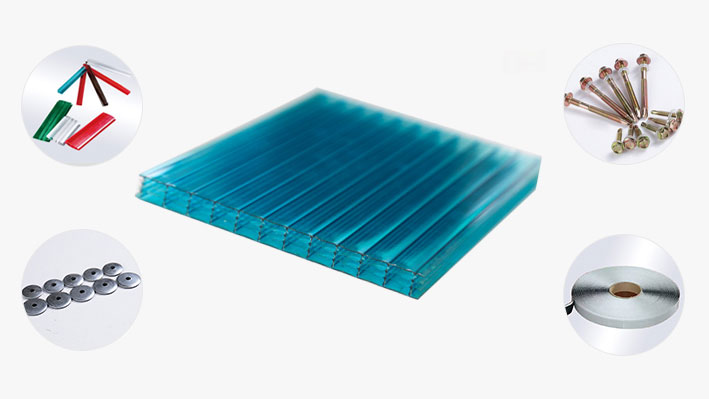
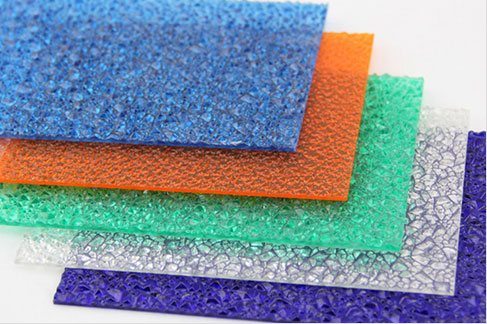
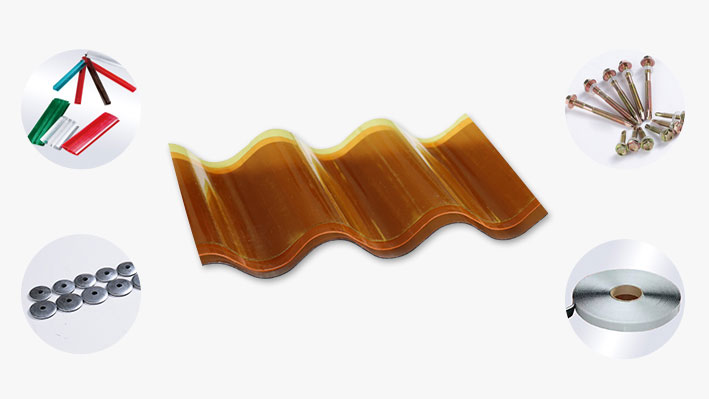
透光率:根據(jù)顏色的不同,透光率可達92%
質(zhì)輕:重量是同等厚度玻璃的1/2,節(jié)省鋼結構原材料成本
難燃:達到難燃B1級
Unocal six big advantage
01 生產(chǎn)車間規(guī)模大,綜合實力保障
International standard material, all imported raw materials
專注行業(yè)10年,專注研發(fā)
、生產(chǎn)煙霧凈化過濾設備,品質(zhì)高,綠色環(huán)保對人體無害。02 產(chǎn)品多樣、應用廣泛
Products by the certification authority
產(chǎn)品線豐富,擁有LE
、PF、FC03 案例豐富、遠銷海外
Free shipping: 120 or more standard models
中國過濾式煙霧凈化設備的環(huán)保企業(yè)
,等世界500強企業(yè)長期合作伙伴。04 環(huán)保廠家、專心服務
North and South factory can be shipped in 48 hours
免費提供客戶所需激光煙霧凈化系統(tǒng)相關操作
、模式、維護等信息資訊。一般3-5日發(fā)貨,加急2日。05 售后 ? 7天無理由退換貨
After sales, 7 days no reason to return
7天之內(nèi)如您不滿意
,可免費進行退換貨。同時我們還為客戶 提供與產(chǎn)品使用壽命相同的質(zhì)保服務,3-15年不等。06 安裝 ? 工程師全方位指導安裝
Install forced engineers full installation guide
我們會給您進行遠程的指導安裝,或者我們這邊工程師去您那 進行指導安裝
。About us
湖北宏明塑料環(huán)保設備有限公司
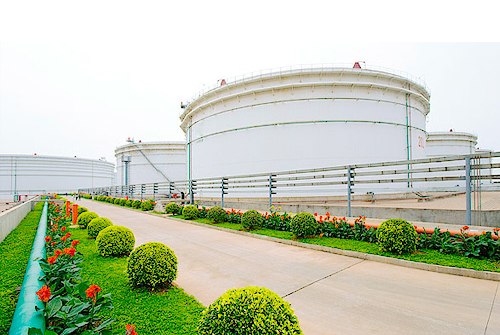
湖北宏明塑料環(huán)保設備有限公司專業(yè)出產(chǎn)聚丙烯,環(huán)氧類環(huán)保設備(廢氣
、廢水、除塵)、聚丙烯,環(huán)氧類酸洗出產(chǎn)成套設備(酸洗槽,酸霧凈化,酸加熱),及其它化工防腐的專業(yè)廠商。出產(chǎn)以PP、PVC為首要資料出產(chǎn)的塔設備。填料采用PP原料的鮑爾環(huán)或空心球。根據(jù)氣體吸收過程中氣液兩相在表面上進行傳質(zhì)反響以及傳遞速率和比表面積成正比的原理,因而采用填料來增大兩相接觸的比表面積,使兩相充沛接觸,從而到達吸收或凈化廢氣的目的。湖北宏明塑料環(huán)保設備有限公司結構特點: PP、PVC填料噴淋塔的結構型式分為立式和臥式International customer witness

Unocal service process
 咨詢/下單
咨詢/下單  精準測量/設計
  菜單式報價
菜單式報價  嚴謹施工
嚴謹施工  標準驗收
標準驗收  售后維護
售后維護 News and information